

“Every faith in the world is based on fabrication. That’s the definition of faith―acceptance of that which we imagine to be true, that which we cannot prove.”
This was the justification that Dan Brown gave, when one of his bestsellers stirred up a controversy right after its publication. A roller coaster cloaked as a book and a blockbuster film, Brown’s The Da Vinci Code will leave you needing more.
The 2003 novel ended up in the hands of every mystery lover who sought refuge in its brilliant conspiracy. Dan Brown has the unique ability to weave history, fiction and facts so well, that it enthrals every reader who gives his work a chance.
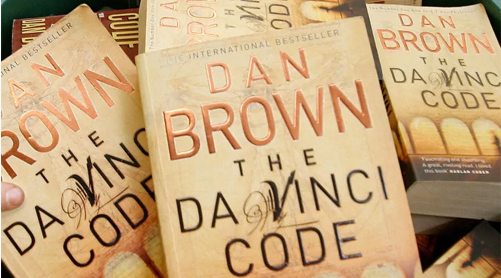
(picture credits: AGGS Library)
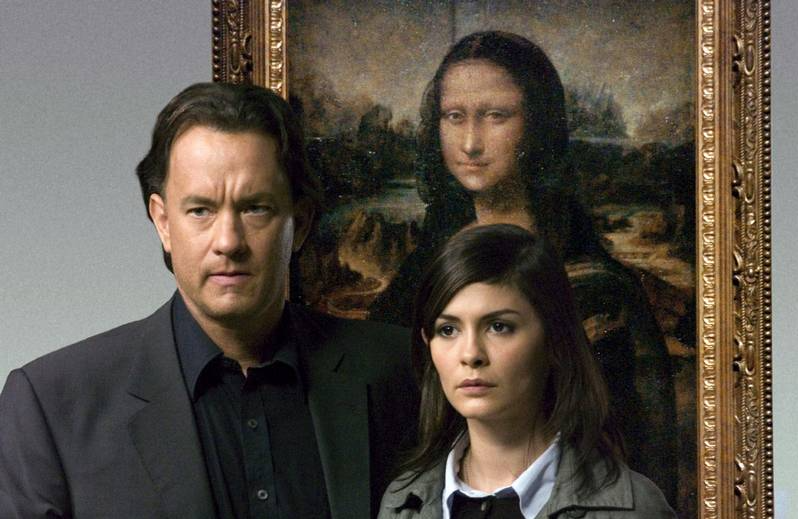
Robert Langdon, a Harvard professor of History of Arts and Symbology (yes it is a fictional field, no you can’t pursue it), is known as an eminent figure whose life revolves around symbols. He joins Agent Sophie Neveu to solve the mystery of her grandfather’s strange demise.
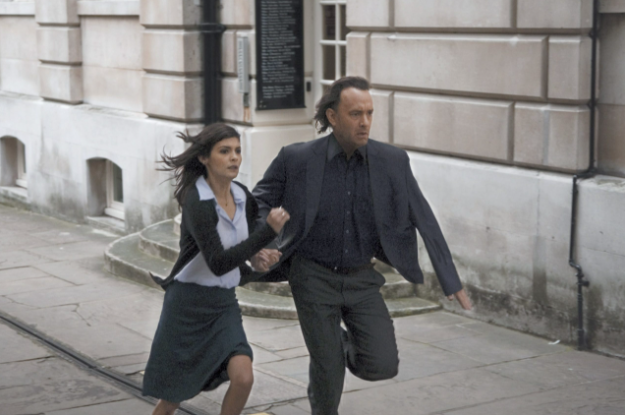
The plot is gripping. It kickstarts a frantic chase with conspiracies meticulously weaved in it, doesn’t state the obvious and leaves room for the reader’s creativity. Dan Brown fuses historical events of Leonardo Da Vinci’s paintings, and theories of secret cults with the contemporary scenario cleverly. His writing style remains linear, with a significant amount of character-centric flashbacks that mould a compelling book. Though it already is a page-turner, the Da Vinci Code added new dimensions to my reading experience. We could only stand as witness, as our anticipation grew with each chapter.
(picture credits: hollywood.com)
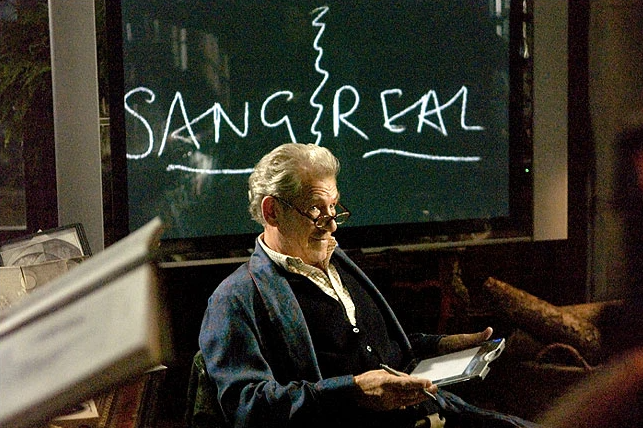
The cinema experience with the corresponding movie was almost equally spectacular when Ron Howard released the film in 2006. Its adaptation of the storyline and depiction in the form of vivid filming style underlined its cinematic brilliance. Thoroughly described details of Langdon placing his book on the podium, grabbing a glass of water, and fiddling with his hands were shown succinctly in ten seconds, which was otherwise narrated in the text in one and a half pages. Tom Hanks played Langdon in a manner one could’ve imagined while reading — a professor with an eidetic memory, mildly claustrophobic, and a knack for solving quests. Audrey Tautou was compelling as well in her role as Sophie Neveu, the curious cryptographer, and companion of Langdon.

(picture credits: hindustan times)
On overall comparison, the book stands to be far more thought-provoking in nature than the movie. Some paragraphs in the book are highlight-worthy and shall often leave you pondering. But the movie, is no less. Certain elements like the explosive turn of events coupled with the background scores and film sets, its ingenious cast, and sharp incorporation of the storyline makes it stand out. But it is more of a thriller without a philosophical balance, unlike the novel, of course.
While Dan Brown (and the writers for the film) took creative liberty when it came to historical events, the book and the film both leave readers and viewers amazed and satisfied, as any good thriller does.
(Featured image: Movie Times)
 The Idiot Box